
Boundaries That Handle Montana Weather Long-Term
Fence Installation and Repair in Missoula for properties requiring secure boundaries and privacy structures
Leaning fence sections after spring ground thaw, broken gate hardware that no longer latches securely, and aging wood that has begun to rot near ground contact are visible signs that fencing requires attention. Hawks Neighborhood Handyman installs and repairs wood fencing and chain-link fencing for residential and commercial properties across Missoula, Wye, Frenchtown, Corvallis, Florence, and Bonner, building structures designed to withstand wind exposure and seasonal moisture cycles. This work addresses privacy fencing, boundary fencing, and repairs that restore functionality and appearance to existing installations.
Fence installation involves setting posts deep enough to resist frost heave common in Montana soils, selecting materials rated for weather exposure, and spacing supports to handle wind loads without panels pulling loose. Repairs focus on replacing damaged sections where boards have cracked or rotted, reinforcing posts that have shifted, fixing gates that no longer swing properly, and addressing hardware that has corroded or failed. Chain-link installation requires tensioning fabric correctly so it doesn't sag over time and securing posts with concrete appropriate for soil conditions that experience freeze-thaw cycles.
Request a fencing estimate to discuss installation or repair options based on your property's layout and functional requirements.
What Changes After Fence Work Completes
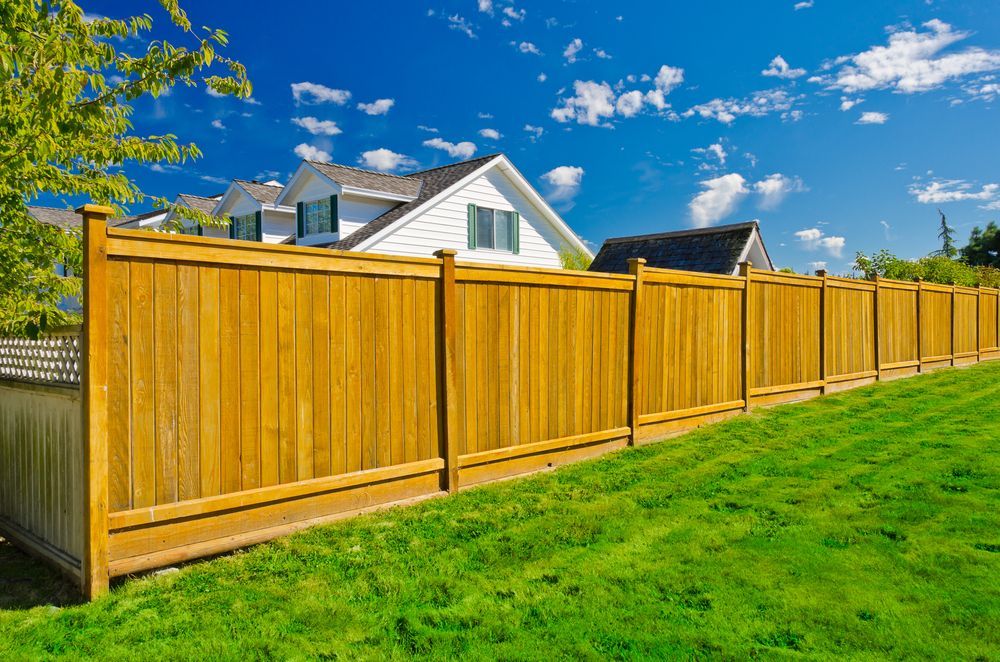
Installation creates continuous boundary lines without gaps where panels meet posts, gates that swing and latch without lifting or dragging, and post alignment that follows property lines or terrain accurately. Wood fences use fasteners and brackets that hold boards securely against wind pressure, while chain-link installations maintain consistent tension across sections without sagging. Posts are set to depths that account for how Montana's winter frost penetrates soil, preventing the heaving that causes leaning and misalignment after seasonal ground movement.
After installation or repair, you notice fences that stand vertically without leaning, gates that operate smoothly through their full range of motion, and sections that remain intact during wind events. Privacy fences block sightlines as intended without gaps developing between boards, and boundary fencing marks property lines clearly for years of use. Durable construction methods prioritize connections and materials that handle repeated exposure to snow, rain, and sun without requiring constant maintenance or premature section replacement.
Custom fencing solutions accommodate properties with sloped terrain, existing landscaping that must remain undisturbed, or specific security and privacy needs that vary by property use. Both residential yards and commercial sites benefit from installations that improve security, define boundaries clearly, and add curb appeal without compromising functionality. Repair services restore aging fences to stable condition, often extending their useful life significantly when structural components remain sound but surface materials or hardware have deteriorated.
Common Questions About This Service
Fencing questions often address what causes failure, how to choose between materials, and what installation involves for different property types.
What typically causes wood fences to fail?
Wood deteriorates where it contacts soil moisture, posts shift when frost heave moves ground during freeze-thaw cycles, fasteners corrode from weather exposure, and boards crack from expansion and contraction caused by temperature and humidity changes. Montana's dry climate and temperature swings accelerate these processes when materials aren't selected and installed with long-term durability in mind.
How does fence installation handle sloped ground?
Installation on slopes requires either stepping panels to follow terrain in level sections or racking panels to follow the ground angle, depending on fence type and desired appearance. Posts must be set vertically regardless of slope, and panel height is measured from grade to maintain consistent coverage across uneven properties common throughout Missoula and surrounding areas.
What's included in fence repair services?
Repairs address the specific damage present, which may involve replacing individual boards or panels, resetting posts that have shifted, reinforcing gate frames, upgrading hardware, or replacing entire sections where rot or structural damage has progressed beyond isolated board replacement. The approach depends on inspection findings and whether existing framework remains sound.
When should I choose wood versus chain-link fencing?
Wood provides privacy and a traditional appearance suited to residential properties where screening and aesthetics matter, while chain-link offers durability and visibility appropriate for commercial sites, large properties, or applications where seeing through the fence is acceptable. Material choice depends on your priorities regarding privacy, maintenance expectations, and budget.
How deep should fence posts be set?
Post depth depends on soil type and frost line, but installations in Montana typically require setting posts at least thirty inches deep to get below frost penetration. Concrete footings prevent movement during freeze-thaw cycles, and proper depth ensures fences remain vertical and stable through seasonal ground shifts that affect shallower installations.
Hawks Neighborhood Handyman works with residential and commercial property owners throughout Missoula and neighboring communities to install and repair fencing that improves security, privacy, and property definition. Reach out to discuss your fencing project and receive an estimate based on your property's specific conditions and requirements.