Structural Work That Supports Everything Else
Carpentry Services in Missoula for framing, wall construction, and structural improvements where precision determines how well finished surfaces perform
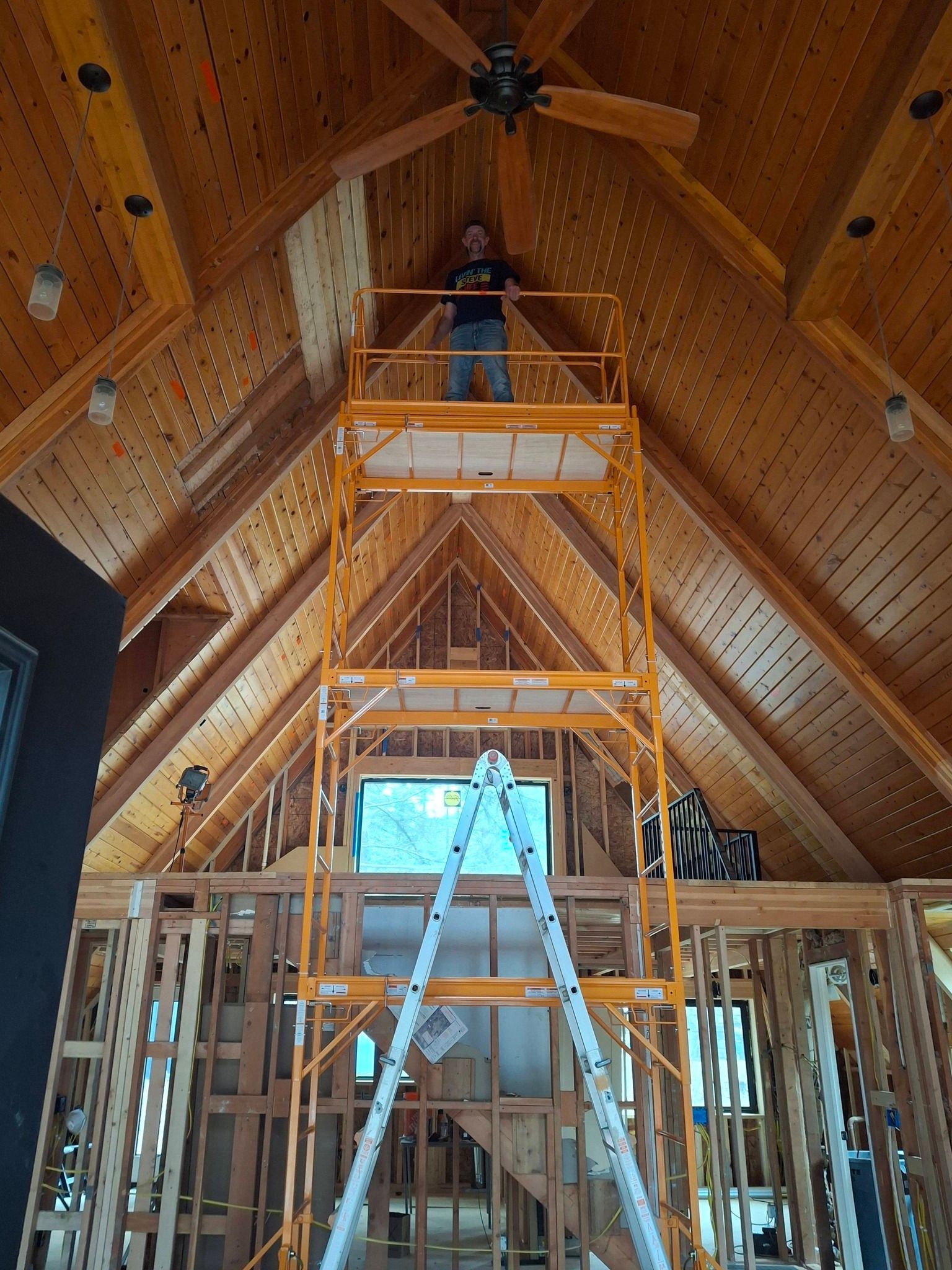
Framing and structural carpentry create the foundation that every other building component depends on—drywall cracks when framing isn't straight, doors bind when openings aren't square, and floors squeak when joists aren't properly supported. Hawks Neighborhood Handyman provides carpentry services throughout Missoula for residential and commercial projects requiring framing, wall construction, basement improvements, flooring support, and custom interior construction. With over 40 years of carpentry experience, the work focuses on structural accuracy and durable construction methods that prevent problems from developing as materials settle and age.
Carpentry services include framing for additions and remodels, wall construction for layout changes, support framing for flooring installations, and custom trim work that completes interior spaces. Each project requires precise measurements, square cuts, and proper fastening techniques because errors in framing compound through every subsequent trade. Structural improvements address sagging floors, undersized joists, and framing damage from water intrusion or structural loading that exceeds original design. Custom add-ons like built-in shelving, storage solutions, and interior modifications require carpentry that integrates cleanly with existing construction.
Arrange a project consultation to review structural requirements and discuss how carpentry work integrates with your planned improvements.
What Proper Carpentry Requires
Carpentry quality depends on material selection, cutting accuracy, and fastening methods that resist movement over time—framing lumber must be straight and dry enough to avoid warping after installation, joints must be cut square so loads transfer correctly, and fasteners must be sized and spaced to prevent withdrawal under stress. Basement projects often involve moisture-resistant framing materials and construction techniques that accommodate concrete's thermal properties and potential moisture migration. Flooring support work requires calculating joist spans and adding blocking or bridging to eliminate bounce and squeaking.
After carpentry work completes, walls are plumb and flat enough that drywall installs without shimming or excessive joint compound, door frames are square so doors close without gaps or binding, and floors feel solid underfoot without deflection or noise. Trim work meets at clean angles without gaps that open as materials acclimate to interior humidity levels. Structural improvements eliminate the sag, bounce, or movement that indicated inadequate support or damaged framing.
Carpentry work for remodels and additions must match existing construction methods while meeting current building standards—older homes often have non-standard framing dimensions and spacing that require custom fitting, and work that ties into existing structures must be engineered to transfer loads correctly without creating stress concentrations that cause cracking or settling.
Questions Before Starting Carpentry Projects
Property owners planning structural work or remodeling projects typically have questions about how carpentry integrates with other trades, what separates quality framing from work that barely meets code, and when structural improvements are necessary versus optional.
What structural issues require carpentry repairs?
Sagging floors caused by undersized or damaged joists, cracked framing around window and door openings from settlement or improper support, and water-damaged studs or sill plates that have lost structural integrity all require carpentry repairs before cosmetic finishes can be installed successfully.
How does framing accuracy affect finished results?
Walls that aren't plumb cause drywall joints to bulge, door frames that aren't square make doors bind or swing open on their own, and floors that aren't level create gaps under cabinets and cause drainage problems in bathrooms where standing water becomes an issue.
Why does trim work separate or show gaps over time?
Trim installed before framing lumber dries to equilibrium moisture content moves as wood shrinks, joints cut at incorrect angles open as materials shift slightly during seasonal humidity changes, and trim that isn't nailed into solid backing pulls loose under minor impacts or stress.
When should structural improvements be completed during remodeling?
Carpentry and framing work happens after demolition but before mechanical, electrical, and plumbing rough-in so that system installations can be coordinated with structural components and inspections can verify framing before finishes cover the work.
What carpentry improvements add the most value for western Montana properties?
Structural repairs that eliminate sag and movement, properly constructed additions that integrate seamlessly with existing framing, and quality interior trim work provide the best return because they address functional concerns and demonstrate overall construction quality that buyers evaluate carefully when considering properties.
Hawks Neighborhood Handyman brings over four decades of framing and carpentry expertise to projects throughout Missoula, Wye, Frenchtown, Corvallis, Florence, and Bonner, completing structural work with attention to accuracy, durability, and construction methods that support long-term performance. Contact the company directly to discuss professional carpentry services for your residential or commercial property improvement project.