Walls That Look Professionally Finished
Drywall Repair and Finishing in Missoula for water damage, cracks, holes, and remodeling changes
Drywall cracks near doorframes after years of door slams, ceiling seams separate when roof leaks introduce moisture, and wall sections show holes from removed fixtures or accidental impacts. Hawks Neighborhood Handyman repairs drywall through patching, sanding, taping, mudding, and finishing techniques that return damaged walls and ceilings to smooth, paintable surfaces across Missoula properties. Repair complexity depends on damage extent—small nail holes require minimal compound and sanding, while water-damaged sections often need complete panel replacement and mold remediation before finishing work begins.
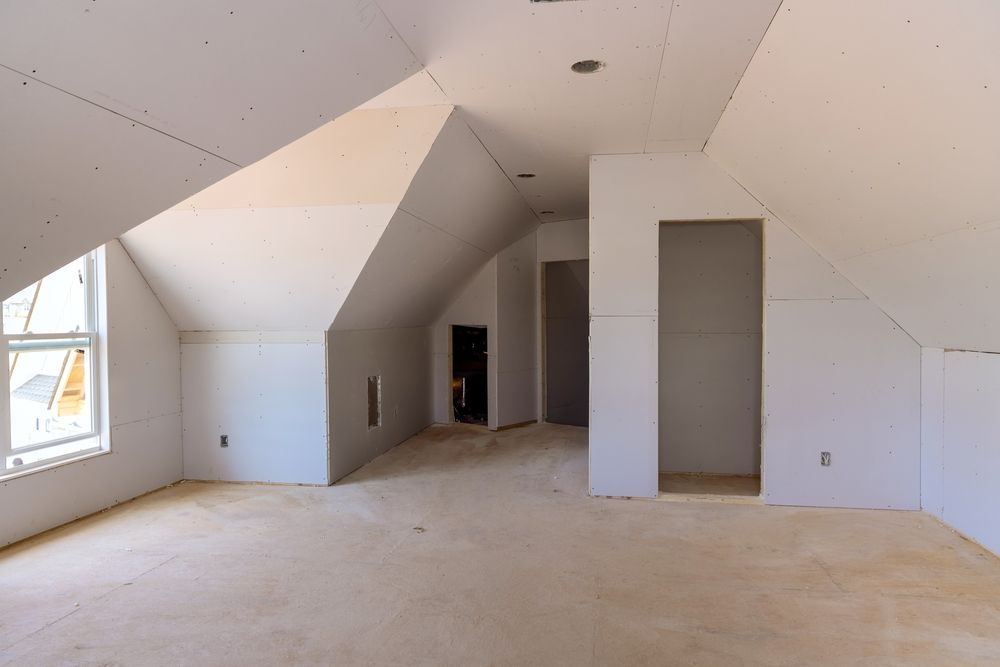
The finishing process involves applying joint compound in multiple thin layers rather than one thick application, which prevents cracking as the material dries and shrinks. Each layer is feathered outward to blend repairs into surrounding wall texture, then sanded progressively finer to eliminate ridges and tool marks. Drywall installation support extends to remodeling projects where new walls are added, doorways are relocated, or ceilings are reconfigured during interior upgrades.
Arrange an evaluation to identify the source of wall damage and determine whether repair or replacement makes sense for your situation.
How Repair Work Prepares Surfaces Long-Term
Quality drywall repair addresses what caused the damage in addition to fixing visible symptoms—leaks get traced to their source, structural movement gets stabilized, and compromised insulation behind damaged sections gets replaced to prevent recurring issues. Taping involves embedding paper or fiberglass mesh tape into wet joint compound along seams, which reinforces joints and prevents cracks from reappearing as the building settles. Mudding refers to applying joint compound over taped seams and fastener indentations, building up layers that cure hard and sand smooth without leaving depressions or bumps.
Once repairs cure and sanding is complete, you'll see walls and ceilings with uniform surfaces that don't show patches, seams, or texture mismatches under angled light. Previously damaged areas accept primer and paint without flashing differently than surrounding material, and finished surfaces feel smooth to the touch without rough edges or ridges where compound was applied. Repaired ceilings no longer show water stains or sagging sections that suggest hidden moisture problems.
Cleanup involves containing dust during sanding, protecting floors and furniture with drop cloths, and removing all debris before painting begins. Detailed workmanship shows in corners that meet cleanly, edges that align with trim without gaps, and textures that match existing finishes when that's specified. Some repairs blend into flat surfaces, while others require texture application using spray equipment or hand tools to replicate knockdown, orange peel, or popcorn finishes found in older Montana homes.
Answers Homeowners Need Before Starting
Drywall projects raise questions about timing, dust control, and how repairs integrate with other interior work. The following addresses common concerns about repair scope and finishing standards.
What causes drywall cracks to keep reappearing?
Recurring cracks usually indicate ongoing structural movement from foundation settling, inadequate framing support, or improperly fastened panels that shift with temperature changes, requiring reinforcement beyond surface patching to stop the cycle.
How is water-damaged drywall different from impact damage?
Water damage compromises the gypsum core and paper facing, requiring complete panel replacement and drying of framing and insulation, while impact damage typically involves patching holes without addressing moisture or structural issues behind the wall.
What does smooth finishing actually involve?
Smooth finishing requires at least three coats of joint compound applied progressively wider than the damage, with each layer sanded after drying to eliminate texture before the next coat, followed by fine-grit sanding and priming that shows no ridges or depressions under raking light.
When should drywall work happen during remodeling projects?
Drywall installation and finishing come after framing, electrical, plumbing, and insulation are complete but before trim, flooring, and painting, allowing access for inspections and preventing damage to finished surfaces during other trades' work.
How long before repaired drywall can be painted?
Joint compound requires 24 hours between coats in typical Missoula indoor conditions, with final sanding happening after the last coat fully cures, meaning most repairs are paint-ready within three to five days depending on damage extent and humidity levels.
Hawks Neighborhood Handyman provides drywall repair and finishing services that prepare walls and ceilings for painting and restore clean, professional interiors throughout Missoula. Contact us to schedule repair work or discuss finishing requirements for your remodeling project.